
Lime
Home > LimeWeeds, patchy spots or yellowish lawn these are the signs of pH imbalance in your lawn. These problems can be resolved by applying lime applications to your lawn which provides nutrients and repair the damage.
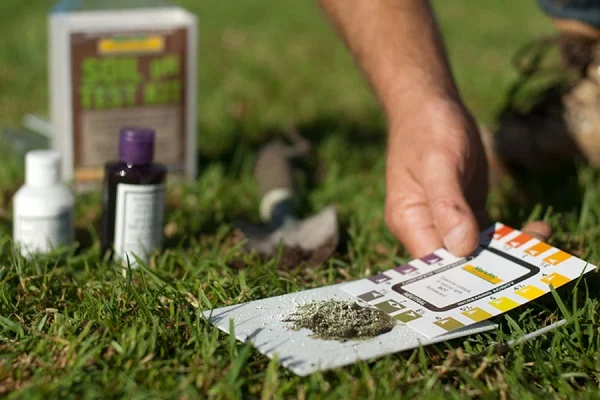
The lime used for the lawn is limestone or chalk made up of calcium carbonate. Two types of lime are commonly used in lawns and gardens, agricultural lime and dolomitic lime. The factors that determine the lime needs are soil pH and buffer pH which can be determine by soil testing.
Lime rich in calcium content is known as calcitic lime which adds calcium to the soil. Some limestone contains a significant amount of magnesium and is referred to as dolomitic lime. Dolomitic lime adds magnesium to the soil and could be used if soil tests indicate a magnesium deficiency.
Why do we use lime?
Lime is commonly used method to change pH of soil. Soil pH is a measured by soil alkalinity or acidity. A soil is acidic, or “sour”, if it has a pH below 7.0 (neutral). You may need to add lime to your soil if a soil test indicates a pH level below the optimum of 6.0 or 7.0 Soils can be naturally acidic but can also be acidified over time by natural leaching, the use of some nitrogen fertilizers, excessive rainfall or irrigation, and acidic water sources. A pH below 6.0 binds important plant growth nutrients in the soil, making them unavailable to the plant. As a result, turf losses its color, reduced strength and diminishes ability to recover from heat and drought stress.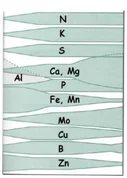
Soil pH
- Degree of soil acidity or alkalinity
- Affects nutrient availability
- Affects plant performance